White Fat Cells Explained: Storage, Shrinking & Modern Diet Impact
Often misunderstood and frequently demonized, fat is, in fact, an essential component of human life. It serves critical roles as an insulating layer beneath the skin, protecting us from cold, and as structural fat safeguarding vital internal organs like the kidneys. Most importantly, fat is an incredibly efficient storage mechanism, designed to hold energy for times of scarcity. For centuries, it was believed that the human body possessed only one type of fat cell: white fat cells. Recent scientific discoveries have unveiled the existence of brown fat cells, which possess distinct properties and can even assist with weight management. However, it's the weiße Produkt aus Fett – the white fat tissue – that predominantly shapes our body composition and metabolic health, performing its ancient role of energy warehousing.
What Exactly Are White Fat Cells? The Body's Primary Energy Bank
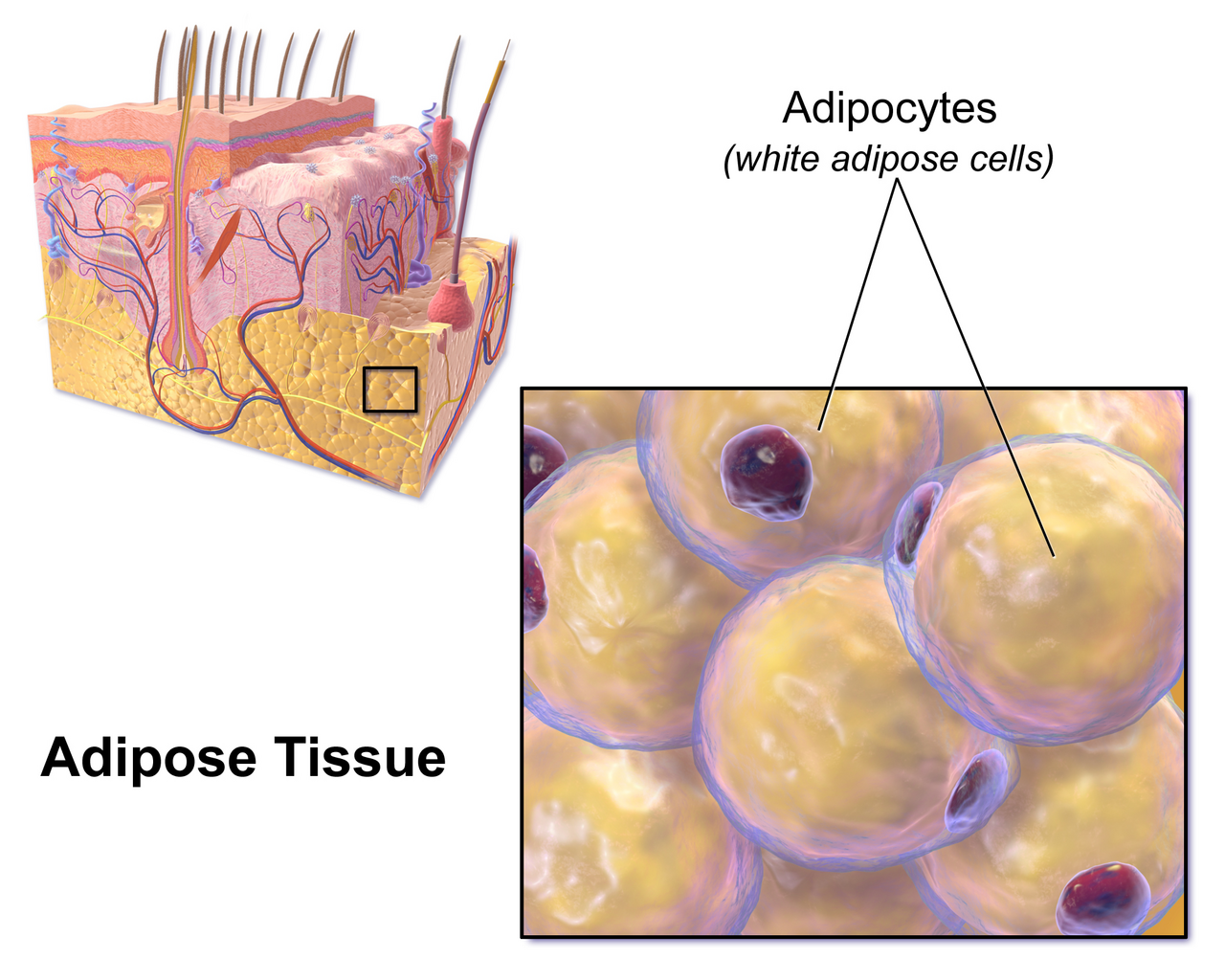
Within every "fat deposit" on our bodies lie millions upon millions of white fat cells, collectively forming what is known as white adipose tissue. Each individual white fat cell is essentially a single, large bubble filled with fat. Its primary, evolutionary function is the storage of energy in the form of lipids, ready to be deployed during "lean times." This design has been fundamental to human survival since our earliest ancestors roamed the Earth. The significant difference between then and now, however, is the stark absence of those "lean times" from a nutritional perspective. In much of the modern world, food is abundant and accessible around the clock. Yet, our ancient fat cells remain oblivious to this shift, continuing their perfected task day in and day out: storing fat.
These remarkable cells are not just passive storage units; they are dynamic endocrine organs that release hormones, influencing everything from appetite and metabolism to insulin sensitivity. Understanding their nature is the first step towards managing our body's energy balance effectively. For a deeper dive into their fundamental roles, you might find Understanding White Fat Cells: The Body's Fat Storage Superpower particularly insightful.
The Incredible Shrinking (or Expanding) Cell
The normal size of a white fat cell is quite minuscule, roughly the thickness of a strand of human hair, specifically around 140 micrometers. However, during periods of abundant energy—what our cells perceive as "good times" with an oversupply of calories—these cells exhibit an astonishing capacity for expansion. Much like a balloon, a single fat cell can inflate dramatically, swelling to as much as a millimeter in diameter. In this expanded state, it can comfortably accommodate up to a microliter of fat. While a microliter may sound insignificant, consider the millions of these cells distributed throughout the body; collectively, they can accumulate a substantial amount of fat.
Crucially, the storage capacity of the white fat cell is not inherently limited. This means it will continue to pack away excess energy as fat, even when our reflection in the mirror already signals an "abundance" that might seem more than enough. This persistent storage wouldn't necessarily be problematic if this surplus were routinely depleted during genuine periods of scarcity. But as established, for most people in developed nations, such "bad times" are a relic of the past, leaving our fat cells in a perpetual state of accumulation.
This endless storage leads to significant health implications. Overly enlarged fat cells can become dysfunctional, contributing to chronic inflammation, insulin resistance, and an increased risk for metabolic diseases. The body tries to cope with the excess, but eventually, the system can become overwhelmed, leading to a cascade of negative health outcomes.
Modern Diet's Impact: Why We Keep Storing
Our evolutionary blueprint, which hardwired white fat cells for efficient energy storage, is now at odds with the realities of the modern diet. Historically, humans faced unpredictable food availability, making the ability to store fat a vital survival mechanism. Every calorie not immediately needed was diligently converted into fat and squirreled away. Today, this survival mechanism often works against us. The constant availability of processed foods, high in sugar and unhealthy fats, coupled with sedentary lifestyles, creates a persistent caloric surplus.
This continuous influx of energy signals to our fat cells that "good times" are always here, prompting them to remain in storage mode. They don't differentiate between energy from wholesome foods or from less nutritious options. For instance, the discussion around dietary fats, like those found in spreads such as margarine, highlights how our choices can impact our energy balance. While margarine was once lauded as a healthier alternative to butter, its "white vest" has acquired a few "fat stains" as research evolves, revealing complexities about processed fats. To understand more about the evolving perceptions of such dietary choices and their health impacts, you can explore Margarine's White Vest: Is This Spreadable Fat Really Healthier? Such dietary considerations directly influence the energy signals our white fat cells receive.
The result is a societal epidemic of obesity and related metabolic disorders. Our bodies are simply not designed to handle a continuous state of energy surplus without consequences. The fat cells, doing precisely what they evolved to do, expand and multiply, leading to increased body fat percentage and the associated health risks.
How to Shrink White Fat Cells: Turning the Tide
The good news is that while we don't lose fat cells as adults (the number tends to remain relatively constant), they can indeed shrink. It's their state of fullness that dictates whether we appear thin or overweight. This means that when we adopt healthier eating habits and lose weight, we aren't eliminating fat cells; rather, they are simply deflating, ideally returning to their original, smaller size.
So, how do we encourage these diligent cells to release their precious stored energy? The fundamental principle is to create a negative energy balance, meaning we consume less energy than our body expends. This metabolic state is colloquially known as a "calorie deficit" or, in a physiological sense, a mild form of "hunger." Such periods of reduced energy intake can be brief, like the overnight fast while we sleep, or sustained over longer durations through mindful eating and dietary adjustments.
Here are actionable strategies to encourage your white fat cells to shrink:
- Calorie Deficit: Consistently consume fewer calories than your body burns. This forces your body to tap into stored fat for energy.
- Balanced Nutrition: Focus on whole, unprocessed foods rich in protein, fiber, and healthy fats. These foods promote satiety and provide sustained energy, reducing cravings for high-calorie, low-nutrient options.
- Regular Physical Activity: Exercise not only burns calories but also improves insulin sensitivity and metabolic health, signaling to fat cells that energy is needed for muscle activity. Both cardiovascular and strength training are beneficial.
- Intermittent Fasting: Incorporating periods of fasting can help create a caloric deficit and encourage the body to switch from burning glucose to burning stored fat.
- Mindful Eating: Pay attention to hunger and fullness cues, eat slowly, and savor your meals. This can prevent overeating and reduce unnecessary caloric intake.
- Adequate Sleep: Poor sleep can disrupt hormones that regulate appetite (ghrelin and leptin), leading to increased cravings and fat storage.
- Stress Management: Chronic stress elevates cortisol levels, which can promote fat storage, particularly around the abdomen.
By implementing these strategies, you can effectively signal to your white fat cells that it's time to release their stored energy, leading to a reduction in their size and, consequently, a healthier body composition. It's a testament to the body's adaptability and our ability to influence our metabolic health through conscious choices.
Conclusion
Understanding white fat cells is crucial for anyone looking to manage their weight and improve their overall health. Far from being inert blobs, these essential cells are complex and dynamic, perfectly adapted for survival in a world that no longer exists. While they efficiently store energy for the "bad times," our modern dietary landscape has transformed this vital function into a potential health challenge. However, the good news is that we have the power to influence their behavior. By creating a consistent calorie deficit through balanced nutrition, regular exercise, and mindful lifestyle choices, we can encourage these cells to shrink, fostering a healthier, more vibrant you. It's about working with your body's innate wisdom, rather than against it, to achieve sustainable well-being.