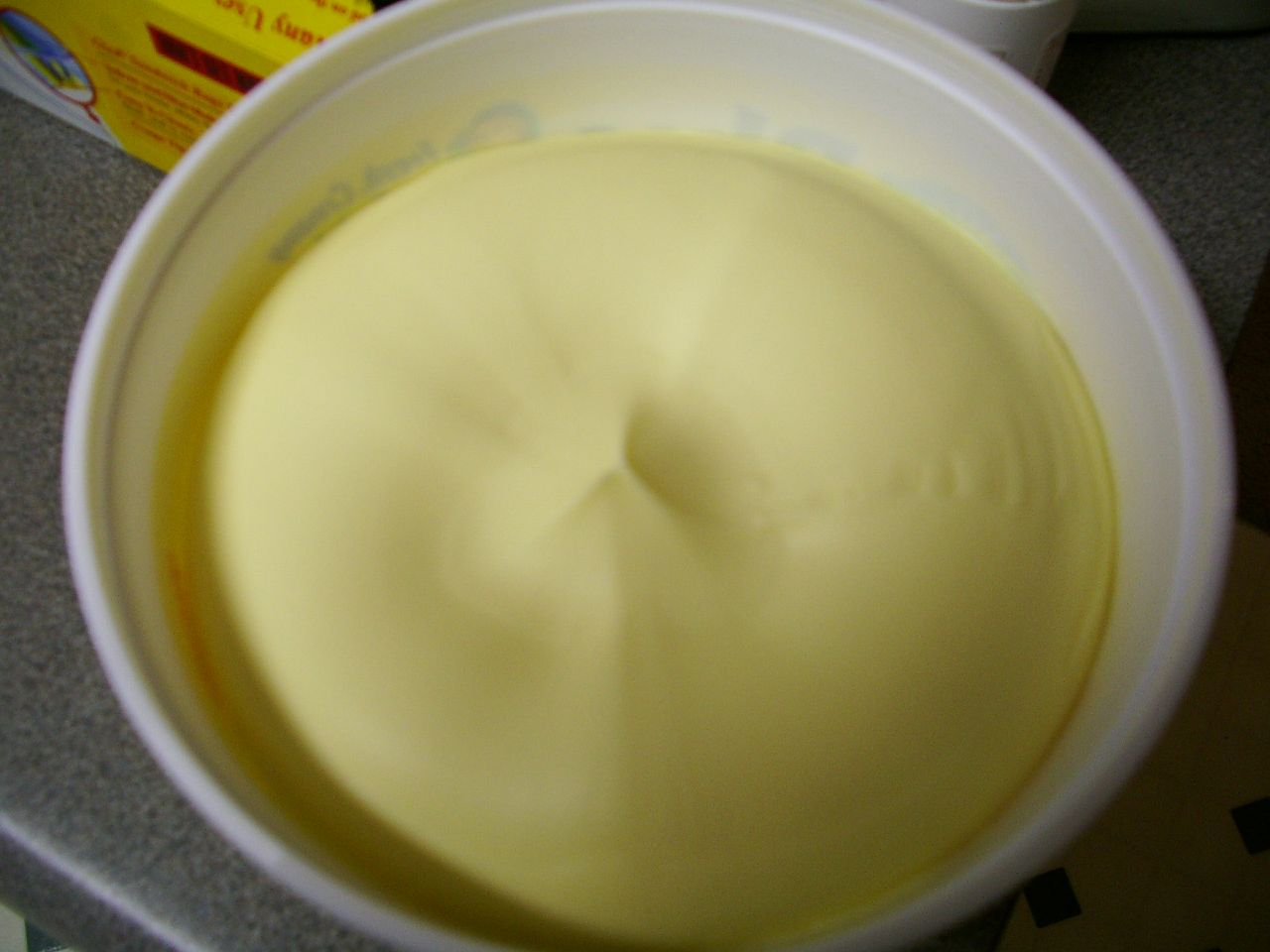
Margarine's White Vest: Is This Spreadable Fat Really Healthier?
For decades, margarine was hailed as the healthier alternative to butter, proudly donning its "white vest" of nutritional superiority. Marketed as a plant-based, lower-saturated-fat option, it quickly became a staple in households worldwide. But as our understanding of nutrition evolves, has this industrially produced "Weißes Produkt Aus Fett" truly maintained its pristine image? Or have a few "fat stains" started to appear, revealing a more nuanced truth about its health implications? This article delves into the complex world of margarine, examining its composition, its journey from health hero to scrutinized spread, and how it relates to our broader understanding of fat – both on our plates and within our bodies.
What Exactly is Margarine? A Look at this "White Product"
At its core, margarine is an industrially manufactured spreadable fat, initially conceived in the 19th century as a more affordable and stable substitute for butter. While often perceived as a simple plant-based spread, its creation involves a sophisticated process to transform liquid vegetable oils into a semi-solid form.
Historically, this transformation relied heavily on hydrogenation, a chemical process that added hydrogen to unsaturated fats, making them more solid and stable. While effective for creating spreadable texture and increasing shelf life, a notorious byproduct of this process was the formation of artificial trans fats – fats now widely recognized as detrimental to heart health.
Modern margarine production has largely moved away from high levels of trans fats, employing alternative techniques like interesterification or blending various oils and emulsifiers to achieve desired textures without extensive hydrogenation. Today's varieties are typically blends of various vegetable oils (such as sunflower, rapeseed, soybean, or palm oil), water, salt, emulsifiers, vitamins (often A and D to mimic butter's nutrient profile), and sometimes flavorings and colorants. This makes it a complex "Weißes Produkt Aus Fett" – not just a simple natural food, but a carefully engineered one.
The "White Vest" Under Scrutiny: Unpacking Margarine's Health Claims
The initial appeal of margarine stemmed from its lower saturated fat content compared to butter, which was once unequivocally linked to heart disease. For many years, doctors and nutritionists recommended swapping butter for margarine to improve heart health. This led to margarine becoming a symbol of health-conscious eating, a spreadable fat with a "clean slate" – its white vest untainted.
However, as research progressed, the blanket vilification of all saturated fats has softened, and the spotlight has shifted to the *types* of fats and the *processing* involved. The very industrial nature of margarine, a "Weißes Produkt Aus Fett" designed for spreadability and shelf-life, began to raise questions.
While significant strides have been made to reduce or eliminate trans fats in most commercial margarines in many countries, it's still crucial to read labels, as some products may still contain small amounts, and regulations can vary. Beyond trans fats, the heavy processing itself can be a point of concern for those seeking whole, minimally processed foods. Furthermore, the choice of vegetable oils used in margarine can influence its fatty acid profile. Some commonly used oils are rich in omega-6 fatty acids. While essential, excessive consumption, especially in relation to omega-3 fatty acids, can contribute to an imbalanced ratio, potentially promoting inflammation in the body.
The debate also extended to what replaces saturated fats in margarine. If saturated fats are replaced with refined carbohydrates or unhealthy polyunsaturated fats, the perceived health benefits may be negligible or even counterproductive. The "white vest" of margarine, once spotless, has certainly accumulated a few smudges, prompting a more discerning eye from consumers and nutritionists alike.
Beyond the Spreads: Understanding the Body's Own "White Product" – White Fat Cells
While we scrutinize the "Weißes Produkt Aus Fett" on our breakfast tables, it's equally important to understand the "Weißes Produkt Aus Fett" that resides within us: our white fat cells. Far from being inert storage depots, these cells play a vital, if often misunderstood, role in our biology. For millennia, white fat cells have been humanity's survival mechanism, acting as an efficient energy reserve against times of scarcity. Every "pouch" of fat on our bodies contains millions of these remarkable cells, each primarily a single, large, fat-filled bubble.
Their main function is clear: to store fat for "bad times." In ancient times, this was a lifesaver. Today, in an era of abundant food, our white fat cells continue their prime directive: storing any excess calories not immediately used. A typical white fat cell is about 140 micrometers in diameter, roughly the thickness of a human hair. However, when faced with a surplus of energy, these cells can swell dramatically, much like a balloon, expanding up to a millimeter in diameter and holding a microliter of fat. Given we have millions of these cells, this adds up to a considerable amount of stored energy. For a deeper dive into their structure and function, explore
Understanding White Fat Cells: The Body's Fat Storage Superpower.
The storage capacity of white fat cells is not inherently limited. They will continue to store fat as long as there's an energy surplus, even when it appears "more than enough" in the mirror. This would not be problematic if these reserves were consistently tapped into during periods of scarcity. However, our modern lifestyle often presents a continuous abundance of food, meaning those "bad times" rarely arrive.
The good news is that white fat cells are not permanently engorged. They can shrink! As adults, the number of fat cells in our body remains relatively constant; their *fill state* determines whether we are lean or overweight. By maintaining a negative energy balance – consuming fewer calories than we expend – we signal our body to tap into these stored reserves, causing the fat cells to release their precious energy and return to a smaller size. Understanding how these cells respond to our modern diets is crucial for managing weight and health. Learn more at
White Fat Cells Explained: Storage, Shrinking & Modern Diet Impact.
Making Healthier Choices: Practical Tips for Your Plate and Body
So, is margarine truly healthier? The answer, like much in nutrition, is "it depends." The "white vest" of margarine has certainly accumulated a few smudges, prompting a more discerning eye. While modern margarines are often better than their trans-fat-laden predecessors, the emphasis should always be on overall dietary patterns rather than fixating on a single food item.
When choosing a spread, consider the following:
- Read labels carefully: Look for products with "0g trans fat" per serving.
- Minimal processing: Opt for products with shorter ingredient lists.
- Healthy oil base: Varieties made predominantly with olive oil, avocado oil, or high-oleic sunflower oil are generally preferred due to their beneficial fatty acid profiles.
- Consider traditional alternatives: Sometimes, small amounts of real butter (preferably from grass-fed cows for a better nutrient profile) can be enjoyed as part of a balanced diet, given its less processed nature.
Beyond spreads, focus on incorporating wholesome sources of healthy fats into your diet. These include:
- Monounsaturated fats: Found in avocados, olive oil, almonds, pecans, and peanuts.
- Polyunsaturated fats: Found in walnuts, flaxseeds, chia seeds, fatty fish (salmon, mackerel, sardines), and various vegetable oils. Ensure a good balance of omega-3 and omega-6 fatty acids.
These fats provide essential fatty acids, support hormone production, aid in nutrient absorption, and contribute to satiety.
Simultaneously, managing the "Weißes Produkt Aus Fett" within your body means paying attention to your overall calorie intake and engaging in regular physical activity. A balanced diet rich in whole foods (fruits, vegetables, lean proteins, whole grains), coupled with an active lifestyle, remains the most potent strategy for maintaining both a healthy body composition and cardiovascular wellness. Creating a moderate calorie deficit through diet and exercise is the most effective way to encourage your white fat cells to shrink and release their stored energy.
In conclusion, the journey of margarine from a celebrated health food to a subject of careful consideration mirrors our evolving understanding of nutrition. There's no single "magic bullet" or "villain" food. Both the "Weißes Produkt Aus Fett" we choose to eat and the "Weißes Produkt Aus Fett" our bodies store play intricate roles in our health. By making informed choices about our dietary fats and understanding the fundamental biology of our own fat cells, we can move beyond simplistic labels and cultivate a truly healthier lifestyle.